Comparing Hair Colors
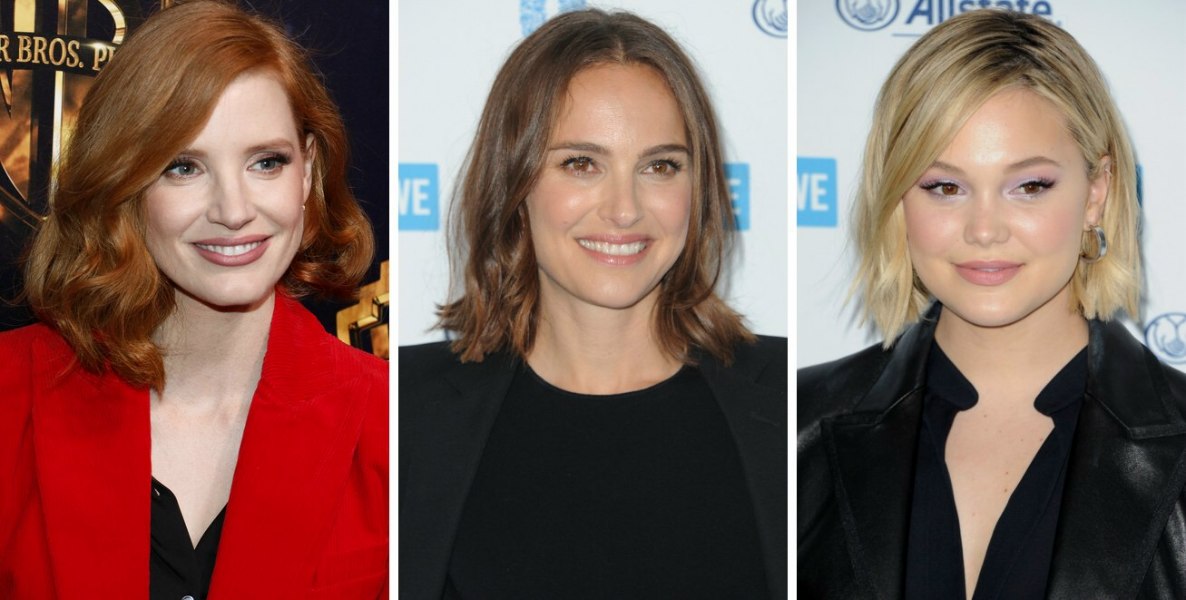
The Basics:
Hair color falls into four basic categories: Blonde, Brunette, Redhead and Grays. Every possible color of hair fits into one of these categories. There are some colors that fall into two of the categories at the same time. These crossover categories are bridges from one color group to another.
All hair color is a result of the presence or absence of melanin in the cortex of the hair. This melanin comes in two forms: eumelanin, which is responsible for creating black and brown shades in the hair, and pheomelanin, which is responsible for red and yellow/blonde tones. The combination of these melanin types creates all the possible natural hair colors. The absence of melanin is what makes gray hair.
Let's take a look at the color categories and how they relate to one another.
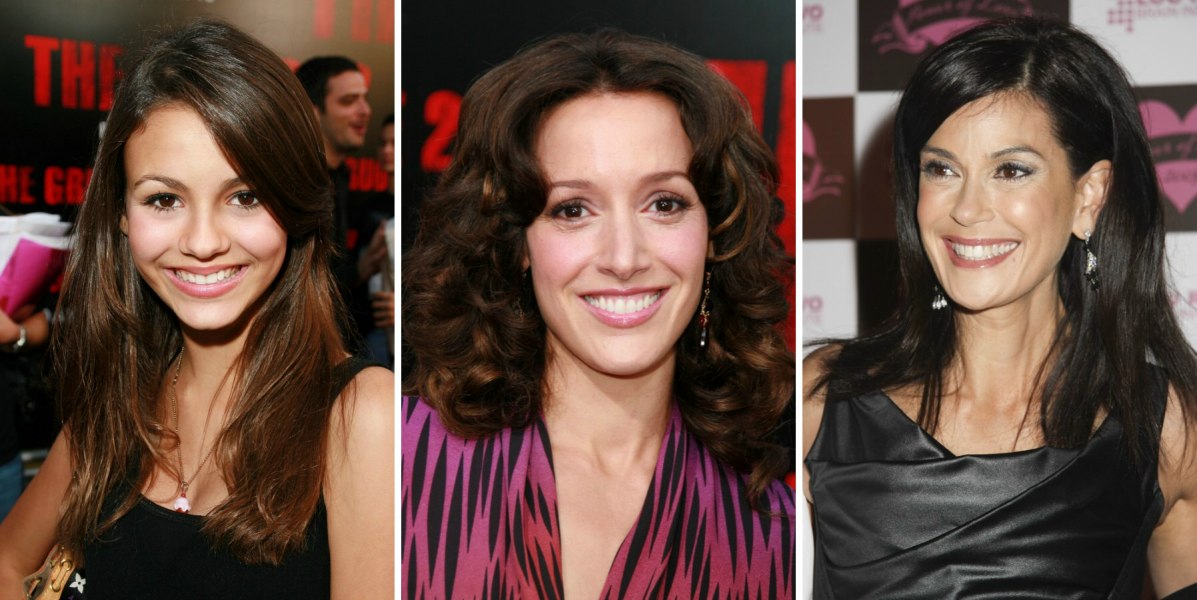
Brunette:
From coal black to the color of burnished wood. Brunettes are found in shades of level 1 through level 5, and are mostly made up of eumelanin pigment in the hair. Hair colors found here are those often referred to as rich chocolate brown, sable, and moon-kissed brown.
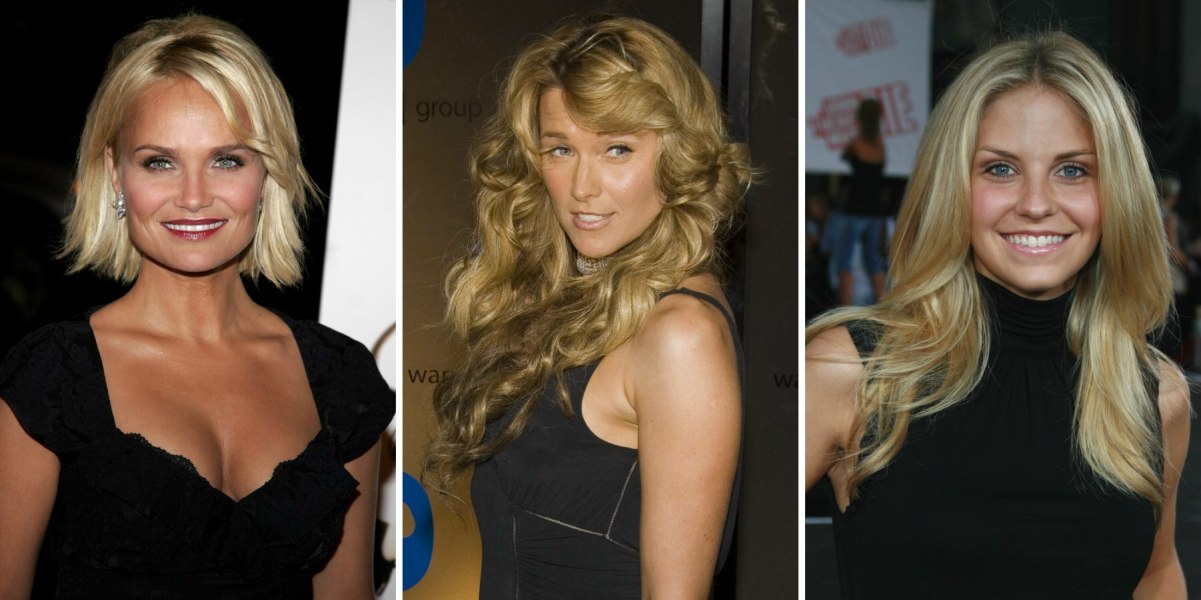
Blonde:
The shades referred to as blonde range from the very light brown to near-white platinum shades. Blondes contain small amounts of pheomelanin and sometimes eumelanin, and typically fall between the levels of 6 and 10 in lightness level. You'll find some blonde tones referred to as honey, sun-kissed, and harvest gold.
Continue reading ...